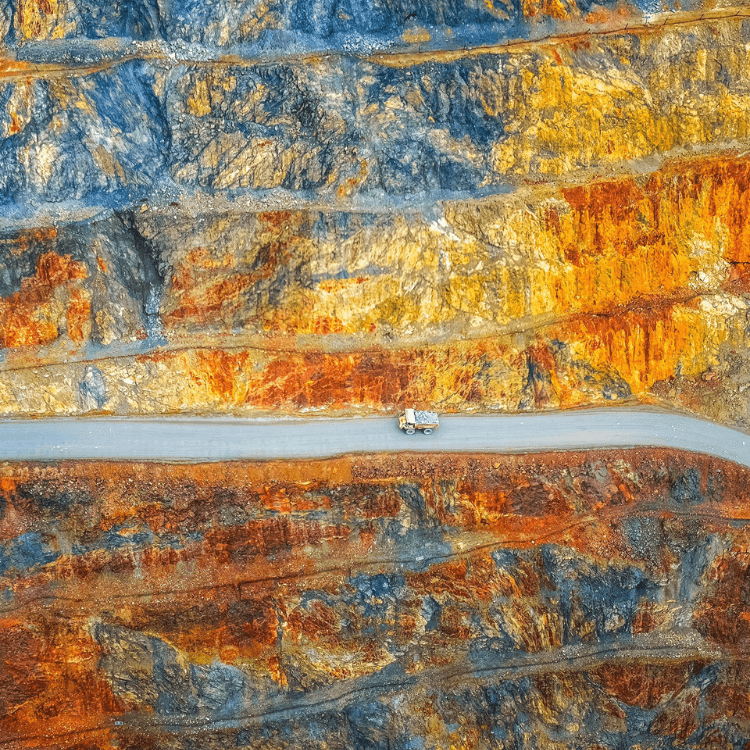
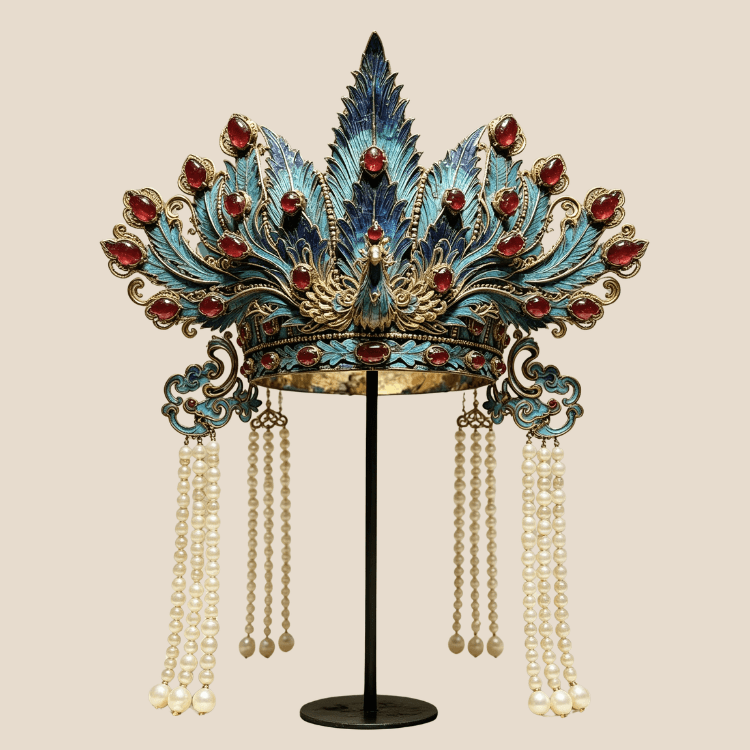
People frequently reduce the Metal element meaning to a literal, rigid description—cold iron, heavy machinery, or unyielding weaponry. Yet, in the profound architecture of classical Chinese philosophy, Metal represents far more than physical material. Instead, it embodies the late autumn season of life itself: the time of harvest, deep discernment, and the structural integrity that refines raw potential into enduring value. Under closer inspection, it represents the innate drive to cultivate clear boundaries, the unyielding courage to eliminate what no longer serves us, and the quiet confidence of inner strength.
Many people possess a kind, generous nature and instinctively lift others up, yet struggle to set firm boundaries or say “no.” Over time, they become emotionally drained and wounded through relational overgiving. In traditional Five Elements philosophy, this inability to clear energy and uphold personal boundaries precisely defines depleted and misaligned Metal Qi within the mind and body.
Geng Metal and Xin Metal: Two Faces of the Same Element
Classical Chinese fate philosophy divides the Metal element into two distinct temperaments through the Heavenly Stems system—one raw and monumental, one refined and luminous. Together, they offer two complete, equally valid models of structural resilience.
Geng Metal — The Integrity of the Raw Iron
Geng Metal represents the purely Yang, vigorous expression of the Metal element. The classical text San Ming Tong Hui (三命通會) records:
“庚金掌天地肅殺之權,主人間兵革之變。在天為風霜,在地為金鐵,謂之陽金。”
“Geng Metal wields the authority of nature’s crisp autumn wind, governing structural transformation; in heaven it is wind and frost, on earth it is raw metal and iron—this is called Yang Metal.” — San Ming Tong Hui, Volume 2
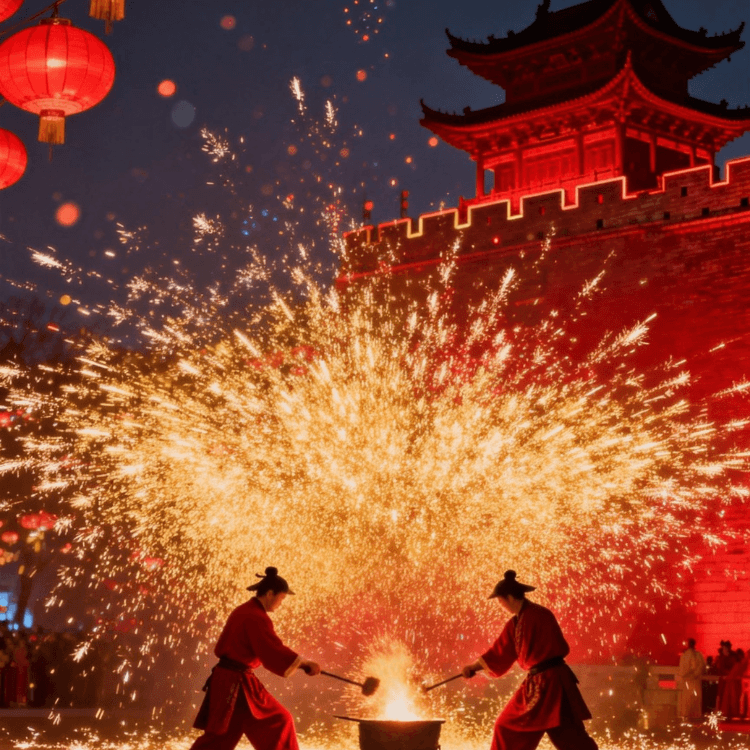
On the other hand, the text highlights a fascinating requirement for this raw material. To achieve its true destiny as a sacred vessel or “bell and tripod” (鐘鼎之器), Geng Metal requires the intense, tempering heat of Fire. Traditionally, this description suggests that Geng Metal does not fear structural pressure or intense challenges; rather, it welcomes the heat of life to forge its character. As a result, its true power relies on its capacity to absorb hardship and transform friction into absolute clarity. Therefore, it remains a strength that thrives on decisive action, direct honesty, and an inherent ability to protect what is precious.
Xin Metal — The Brilliance of the Sacred Jewel
Xin Metal is Metal’s Yin expression. The classical text San Ming Tong Hui (三命通會) records:
“Xin Metal follows after Geng, standing as the head of the five metals and the essence of the eight minerals; in heaven it is the cosmic light of sun and moon, on earth it is precious jade and jewels—this is called Yin Metal… its substance is pure and moist, yet its inner character remains unyielding… when washed with clean sand and water, it reveals its ultimate clarity.” — San Ming Tong Hui, Volume 2
In contrast to Geng Metal’s rugged endurance, Xin Metal represents the power of precision, aesthetic mastery, and quiet radiance. As the text notes, it does not demand further hammering or aggressive tempering by a blazing furnace. Instead, it requires gentle washing, relying on clean sand and water to reveal its intrinsic luster and pristine clarity. Furthermore, ancient scholars observed that Xin Metal possesses a unique, unyielding inner spirit despite its delicate appearance. Ultimately, what it needs isn’t harsh restructuring—it requires a supportive environment, intentional care, and the space to project its natural brilliance into the world.
In popular usage, people often simplify these two images to “Geng Metal as the warrior’s sword, Xin Metal as the decorative ring.” Although that version is widely known, the original San Ming Tong Hui characterization remains far more precise: Geng Metal’s defining feature involves undergoing intense transformation to become a vessel of cosmic order, whereas Xin Metal’s defining feature centers on intrinsic refinement, luminous clarity, and the gentle washing that reveals its true beauty.
From the Ditian Sui: The Law of Refinement
The Ditian Sui (滴天髓), compiled in 1848 during the Daoguang era of the Qing dynasty, explores the subtle, profound laws governing Metal with absolute poetic precision. Its canonical passage on Geng and Xin Metal reads:
“庚金帶煞,剛健為最……得火而銳,得水而清。辛金軟弱,溫潤而清……畏土之疊,樂水之盈。”
“Geng Metal carries immense strength, standing as the apex of vitality… it achieves its sharp precision through Fire, and discovers its pristine nature through Water. Xin Metal is gentle and soft, holding a warm, moist clarity… it fears excessive burdens of Earth, and rejoices in the abundance of living Water.” — Ditian Sui, On Geng & Xin Metal
We read this as a profound reflection on personal growth and emotional boundaries. For instance, when we face heavy, chaotic seasons, the “strong and vital” Geng Metal wisdom reminds us that we need focused discipline (Fire) to find our edge, and deep reflection (Water) to clear our minds. For this reason, we should view life’s challenges as a tempering process rather than a destructive force.
Meanwhile, when we look at our inner sensitivity, the “warm and soft” Xin Metal teaches us how to protect our unique gifts. It warns us that excessive overthinking or rigid structures (represented by the heavy “burdens of Earth”) can bury our joy and obscure our inner light. Instead, we must let our thoughts flow naturally like “abundant living Water” (樂水之盈) to wash away external projections. Consequently, stability comes from knowing when to use fierce discipline to structure your life, and when to use gentle self-care to let your natural beauty shine.
Metal and the Breath: A Traditional Association
Traditional Chinese philosophical theory also maps the Five Elements onto our internal landscape, connecting Metal directly to our respiratory vitality. Within this ancient framework, Metal governs the lungs, regulating the continuous rhythm of breathing in and letting go.
Importantly, this is a description from traditional philosophy, not a modern clinical diagnosis. When a person holds a balanced Metal energy, traditions link it to profound emotional resilience, a healthy capacity to process grief, and an innate sense of dignity. Alternatively, when this energy becomes blocked or deficient, historical texts sometimes associate the imbalance with a sense of lingering sadness, chronic defense mechanisms, or an inability to release past hurts.
The White Hetian Jade Talisman Hulu Bracelet: A Daily Reminder
Traditional culture has long paired natural materials with auspicious symbols as everyday reminders. RUYI Jewelry continues that practice through a contemporary, minimalist design language.
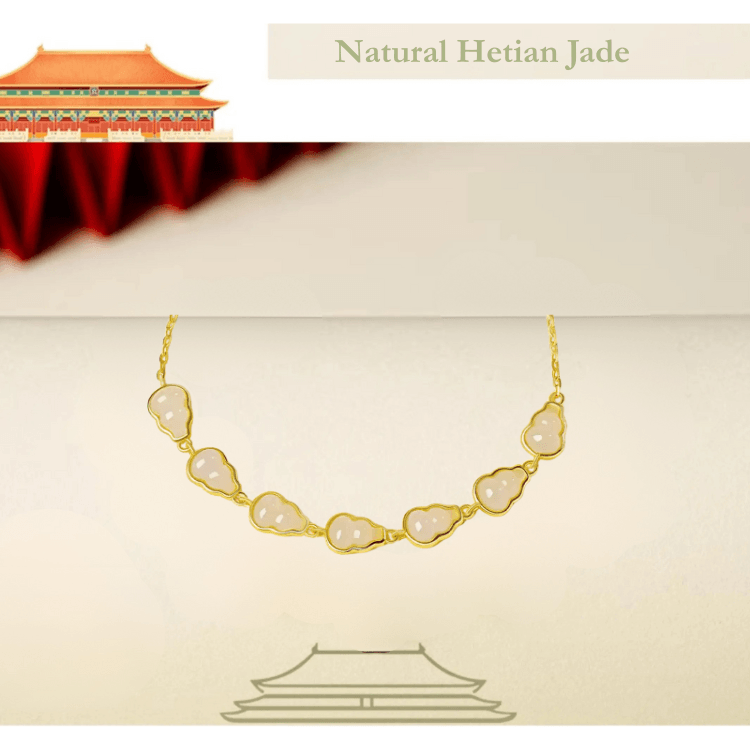
To faithfully articulate the cultural integrity of the Metal element, we selected natural, untreated White Hetian Jade. Distant from the aggressive, superficial sparkle of modern cut diamonds, this imperial jade possesses a deep, mutton-fat inner luster—a serene, pure white hue reminiscent of mountain peaks catching the crisp morning air of late autumn. It remains entirely restrained, elegant, and composed.
At the center of the bracelet sits a minimalist Hulu (gourd) motif, hand-carved in 925 silver—a nod to authentic Chinese Aesthetic Jewelry. In Eastern tradition, people regard the gourd as a symbol that gathers, filters, and neutralizes unaligned energies. Furthermore, artisans traditionally associate wearing this jade with sharp mental clarity and impeccable boundaries. Thus, it functions as a quiet, daily companion: a physical anchor reminding the wearer that they possess an unyielding core of dignity, even when external circumstances attempt to scatter their peace.
Why RUYI Jewelry
We believe luxury should be meaningful. Authenticity. Craftsmanship. Intentional design. These three principles guide every piece in the Five Elements Collection.
Authenticity – All gemstones are natural. No glass, resin, or imitation.
Craftsmanship – Each gemstone is carefully selected, cut, and set by experienced artisans.
Intentional Design – Colors, shapes, and metal pairings honor traditional symbolism while embracing contemporary minimalist aesthetics.
Frequently Asked Questions
What is the Metal element’s primary difference between Geng and Xin? Neither is better or worse—they represent two different states and needs. Traditionally, most people carry both qualities; which one is more relevant simply shifts depending on whether you need to forge strength through discipline like Geng Metal, or refine your inner clarity through self-care like Xin Metal.
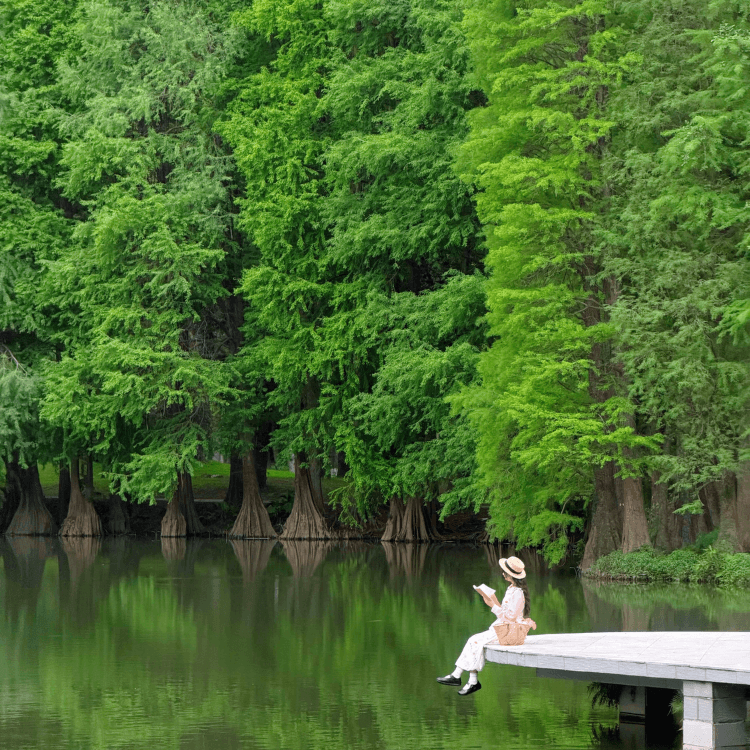
Why does classical philosophy associate Metal with autumn and harvest? This connection represents a core tenet of classical philosophy. Autumn is the season where nature strips away the excess leaves to reveal the true harvest and structural truth of the trees. Consequently, Metal represents the essential wisdom that remains after you let go of the non-essential.
How do I care for White Hetian Jade? Use a soft cloth with a mild cleanser. Avoid ultrasonic cleaners, and keep the stone away from prolonged exposure to harsh household chemicals.
Are the “modern interpretations” in this article part of the original classical texts? No. Anywhere this article extends a classical passage into a modern, everyday perspective, we’ve marked it clearly as RUYI’s own reading—offered for reflection, not presented as what the original text itself was discussing.
Metal Doesn’t Need to Apologize for Its Sharpness
Whether you feel closer to the raw Geng iron discovering its strength through life’s fire, or the luminous Xin jewel shining its light through clean water, Metal offers the same reminder either way: clarity requires boundaries. You do not need to feel guilty for saying no, and a season of shedding old habits is not a sign of loss—it is the very process that allows your most authentic, polished self to finally step into the light.
Discover your element today.
[Shop the White Hetian Jade Talisman Hulu Bracelet →]
Written by Hao, founder of RUYI Jewelry. Hao holds a master’s degree in biology and approaches Chinese philosophy with both cultural curiosity and scientific grounding.